

Glaucoma is one of the leading causes of irreversible blindness worldwide — and one of the most under-diagnosed. Often called the “silent thief of sight,” it progresses slowly and painlessly in most cases, stealing peripheral vision long before the patient notices anything is wrong. By the time vision loss becomes obvious, significant and permanent damage may already have occurred.
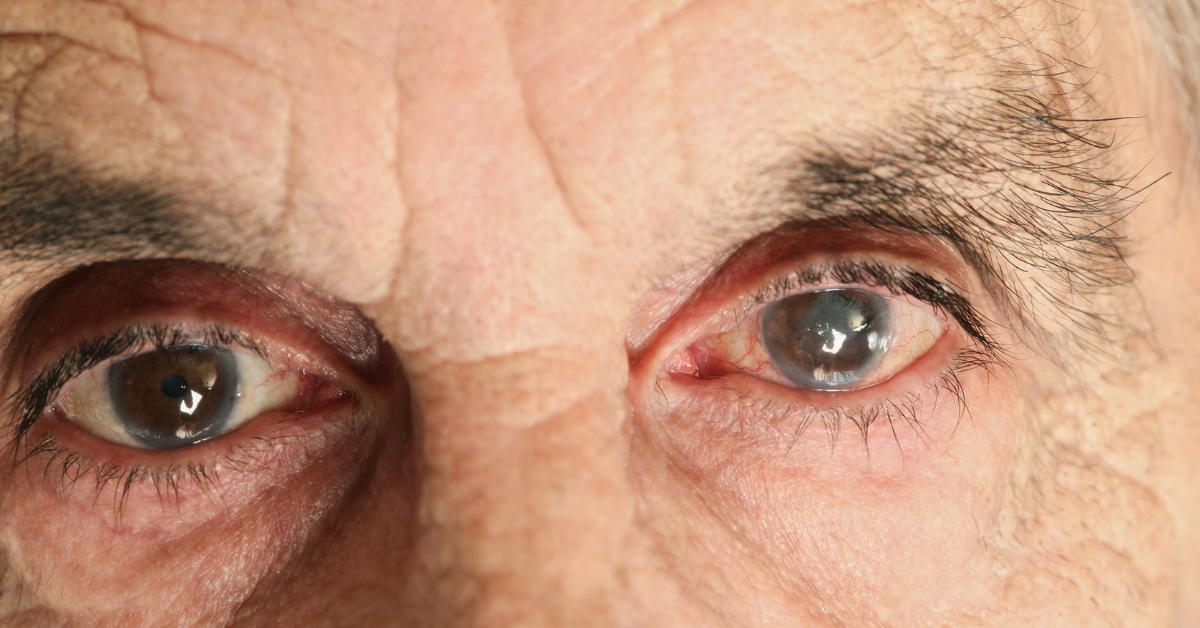
At Krishna Eye Care Centre, we offer comprehensive glaucoma screening, diagnosis, and management, giving patients in Patna access to specialist eye care focused on detecting this condition early and preserving vision for life.
What Is Glaucoma?
Glaucoma is a group of eye conditions that damage the optic nerve — the critical connection between the eye and the brain that carries visual information. In most cases, this damage is caused by elevated pressure inside the eye (intraocular pressure or IOP), though glaucoma can also occur in eyes with normal pressure.
Once optic nerve fibres are damaged, they cannot regenerate. This is why early detection and consistent treatment are the only effective strategies against glaucoma.
Types of Glaucoma
Primary Open-Angle Glaucoma (POAG) The most common form. The drainage angle of the eye remains open but fluid drains too slowly, causing pressure to build gradually. It is largely asymptomatic until significant damage has occurred.
Angle-Closure Glaucoma The drainage angle becomes blocked or narrows suddenly. This can cause an acute attack with severe eye pain, headache, nausea, blurred vision, and haloes around lights — a medical emergency requiring immediate treatment.
Normal-Tension Glaucoma Optic nerve damage occurs even though intraocular pressure remains within the normal range. Blood flow abnormalities to the optic nerve are believed to play a role.
Secondary Glaucoma Glaucoma that develops as a result of another eye condition — such as trauma, inflammation, steroid use, diabetes, or advanced cataract.
Congenital Glaucoma A rare form present from birth or developing in early childhood, caused by abnormal drainage development in the eye.
Risk Factors
You are at higher risk of glaucoma if you have any of the following:
- Age over 40, with risk increasing significantly after 60
- A family history of glaucoma
- Elevated intraocular pressure (ocular hypertension)
- High myopia (short-sightedness) or high hyperopia (long-sightedness)
- Diabetes or hypertension
- History of eye injury or previous eye surgery
- Long-term use of corticosteroid medications (eye drops, inhalers, or oral)
- Thin corneas (identified during eye examination)
Symptoms to Watch For
Primary open-angle glaucoma typically has no symptoms in its early stages. In more advanced cases or in angle-closure glaucoma, symptoms may include:
- Gradual loss of peripheral (side) vision
- Tunnel vision in late-stage disease
- Sudden severe eye pain (acute angle-closure attack)
- Headache, nausea, or vomiting accompanying eye pain
- Blurred vision or seeing haloes around lights
- Redness of the eye
If you experience sudden eye pain with vision changes, seek emergency care immediately.
How Is Glaucoma Diagnosed?
Glaucoma diagnosis requires a comprehensive eye evaluation. A single test is never sufficient — several measurements are needed together to build a complete picture.
Diagnostic assessments include:
- Tonometry — measurement of intraocular pressure
- Fundoscopy / Optic Disc Examination — direct examination of the optic nerve for signs of cupping or damage
- Visual Field Testing (Perimetry) — mapping blind spots and peripheral vision loss
- OCT of the Optic Nerve and Retinal Nerve Fibre Layer — detecting structural damage before it becomes visible
- Gonioscopy — examination of the drainage angle to classify the type of glaucoma
- Pachymetry — measurement of corneal thickness, which affects pressure readings
Treatment Options
Glaucoma cannot be cured, but it can be effectively controlled. The goal of treatment is to lower intraocular pressure to a safe level that prevents further damage to the optic nerve.
Eye Drops (Medical Management) The first line of treatment for most patients. Pressure-lowering eye drops reduce fluid production in the eye or improve its drainage. Consistent, lifelong use is essential — missing doses allows pressure to rise and damage to continue.
Common classes include:
- Prostaglandin analogues (e.g., latanoprost)
- Beta-blockers (e.g., timolol)
- Carbonic anhydrase inhibitors (e.g., dorzolamide)
- Alpha-agonists (e.g., brimonidine)
- Combination drops for patients requiring multiple medications
Laser Treatment
- Laser Trabeculoplasty (SLT/ALT) — improves drainage in open-angle glaucoma; a good option for patients who struggle with eye drop compliance or as a supplement to drops
- Laser Iridotomy (LPI) — creates a small opening in the iris to relieve angle-closure and prevent acute attacks; recommended for narrow-angle eyes even before an attack occurs
- Laser Cyclophotocoagulation — reduces fluid production; used in advanced or refractory cases
Surgery When eye drops and laser treatment are insufficient to control pressure, surgery may be recommended.
- Trabeculectomy — the most established surgical procedure, creating a new drainage pathway for fluid to leave the eye
- Glaucoma Drainage Devices (Tube Surgery) — implanting a small tube to drain fluid in complex cases
- Minimally Invasive Glaucoma Surgery (MIGS) — newer, safer procedures with faster recovery, suitable for mild to moderate glaucoma
Living With Glaucoma
A glaucoma diagnosis is not the end of good vision — it is a call to action. With consistent treatment and regular monitoring, the vast majority of patients retain useful vision for life.
Key principles for managing glaucoma long-term:
- Never skip or stop eye drops without consulting your doctor
- Attend all follow-up appointments for pressure checks and visual field testing
- Inform all doctors of your glaucoma medications, as some systemic drugs can affect eye pressure
- Protect your eyes from injury
- Encourage family members to get screened, as glaucoma has a strong hereditary component
Frequently Asked Questions
Q: Can glaucoma be cured?
The optic nerve damage caused by glaucoma is permanent and cannot be reversed. However, with early detection and consistent treatment, further progression can be halted or significantly slowed. Many patients with well-controlled glaucoma retain good functional vision throughout their lives.
Q: I have no symptoms — do I still need treatment?
Yes. The absence of symptoms is precisely what makes glaucoma so dangerous. By the time you notice vision loss, significant and irreversible damage has usually already occurred. If diagnosed with glaucoma or elevated pressure, treatment must begin even if you feel perfectly fine.
Q: How often do I need to come in for check-ups?
This depends on the stage of your glaucoma and how well it is controlled. Newly diagnosed patients or those with unstable pressure may need review every 1 to 3 months. Stable, well-controlled patients typically require visits every 4 to 6 months. Your doctor will advise the appropriate schedule for your situation.
Q: Are glaucoma eye drops safe for long-term use?
Yes, the vast majority of glaucoma eye drops are safe for long-term use. Some patients experience mild side effects such as redness, stinging, or changes in eyelash growth. Rarely, systemic effects can occur with certain drops. Always inform your doctor of any side effects so that the medication can be adjusted if needed.
Q: My parent had glaucoma. Should I get tested?
Absolutely. Having a first-degree relative with glaucoma significantly raises your own risk. We recommend a comprehensive eye examination including optic nerve assessment and pressure measurement every 1 to 2 years from age 40 onwards if you have a family history of glaucoma.
Q: Will I go blind from glaucoma?
With proper diagnosis and consistent treatment, most people with glaucoma do not go blind. Blindness from glaucoma is most often the result of late diagnosis or failure to adhere to treatment. This is why awareness, regular screening, and early intervention are so important.
Q: Is glaucoma treatment available in Patna?
Yes. Comprehensive glaucoma screening, diagnosis, and management are available at Krishna Eye Care Centre, Dr K K Kantha Memorial Hospital, Patna.
Book a Consultation
Glaucoma is preventable blindness. If you are over 40, have a family history of glaucoma, or have not had a comprehensive eye examination recently, do not wait for symptoms to appear.
📞 +91 893 583 4142 | +91 886 400 4584
📍 21 B/3, Patliputra Colony, Near Pataliputra Golambar, Opp. UNICEF Building, Patna 800 013
🌐 Book online at kanthahospital.com